Baxter Institute Timeline
1964
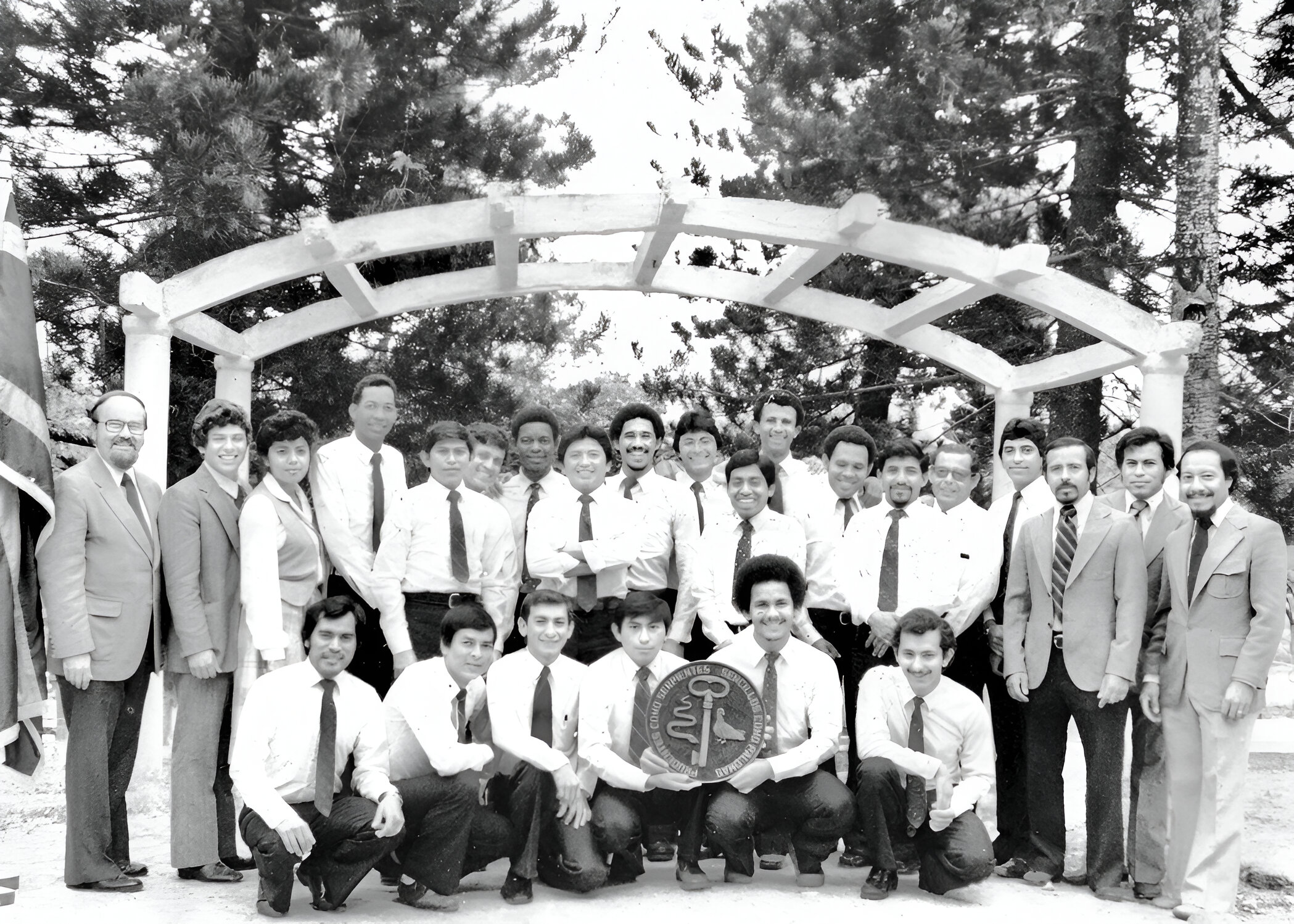
Founded in Mexico.
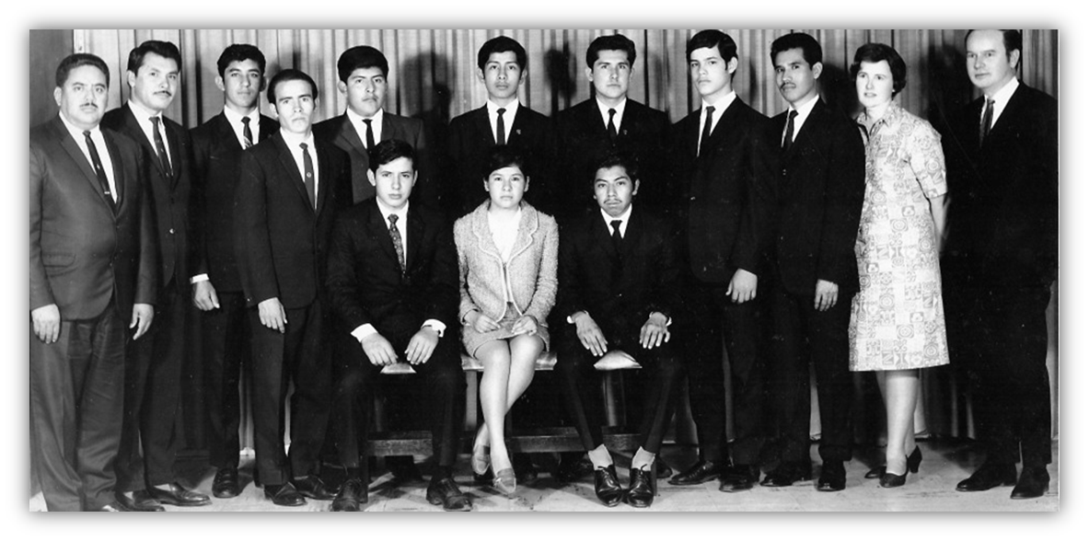
Baxter Institute had its beginning in Mexico in 1964. It was named for Leta Baxter, a sister in California who was very evangelistic in her outreach to teens and to women who came to Hollywood desiring to enter the entertainment industry and fell by the wayside. The dream for the biblical institute was to equip and train Latin American students who had completed high school.
Entrance requirements would be high; students would be required to maintain high moral standards, and to earn good grades. In addition, students would spend weekends in evangelistic efforts, giving practical experience to ground the classroom theory.
With these aspirations in mind, property was located in Mexico City to begin this four-year institute. The West End Church of Christ in Nashville was among the first to become involved in this work; the Garden Oaks Church in Houston was close behind.
Harris Goodwin (1964-1995), who served as the founder and first president of Baxter, and Dan Coker provided important leadership during the early days in Mexico.
1978
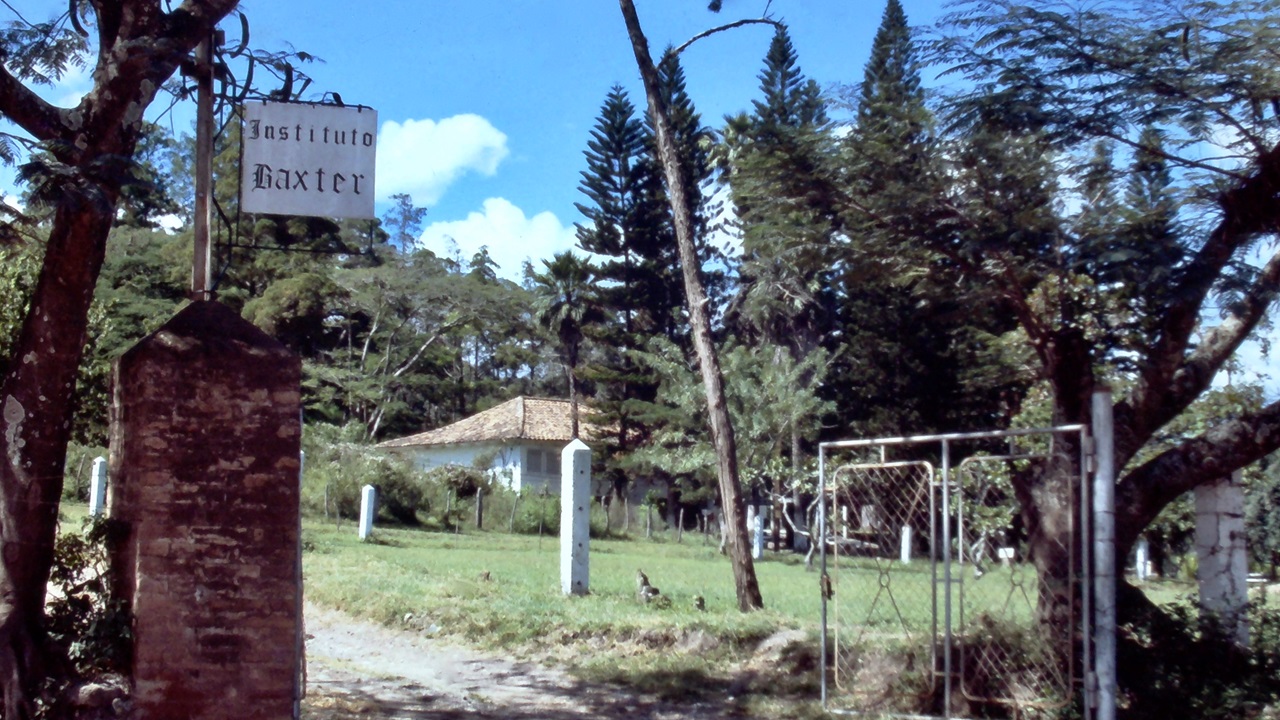
Moved to Honduras
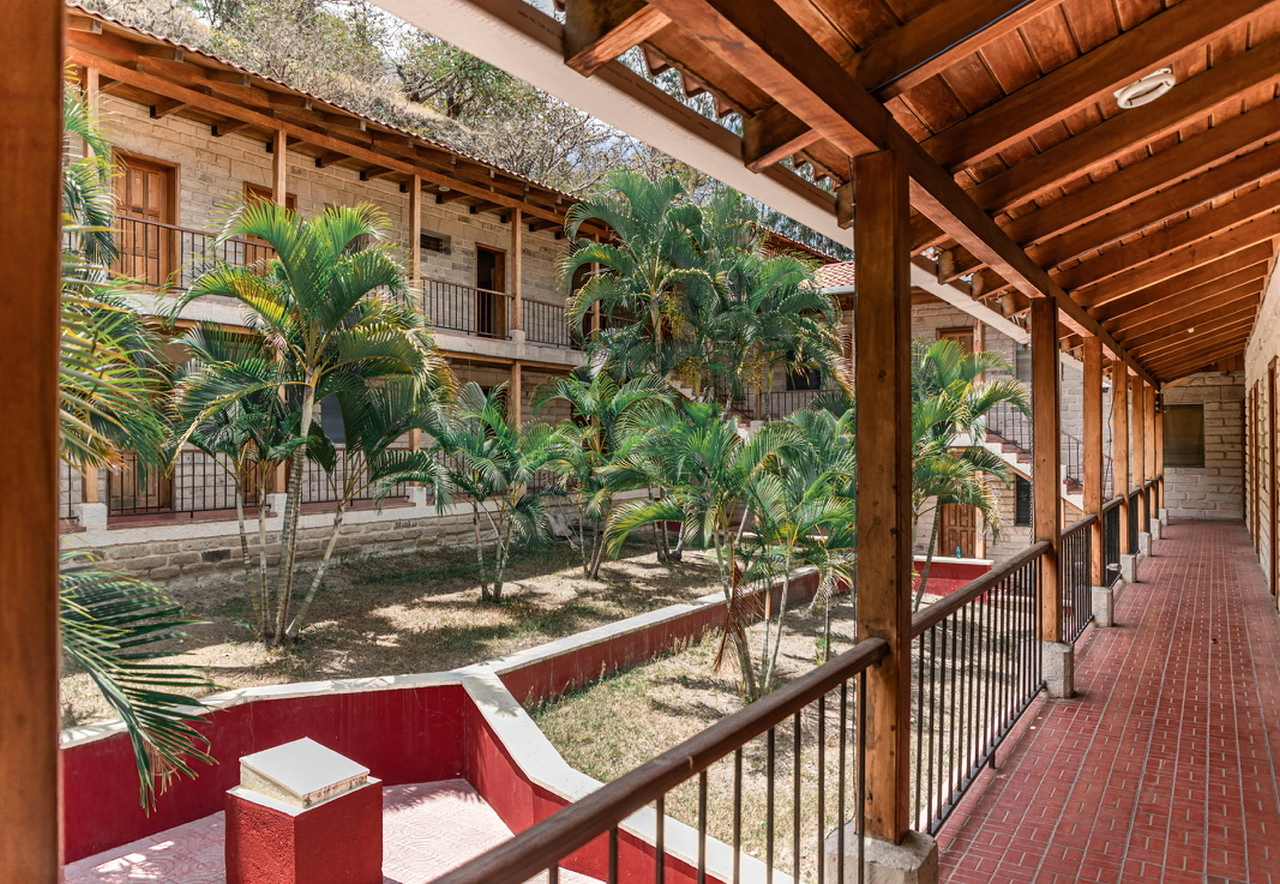
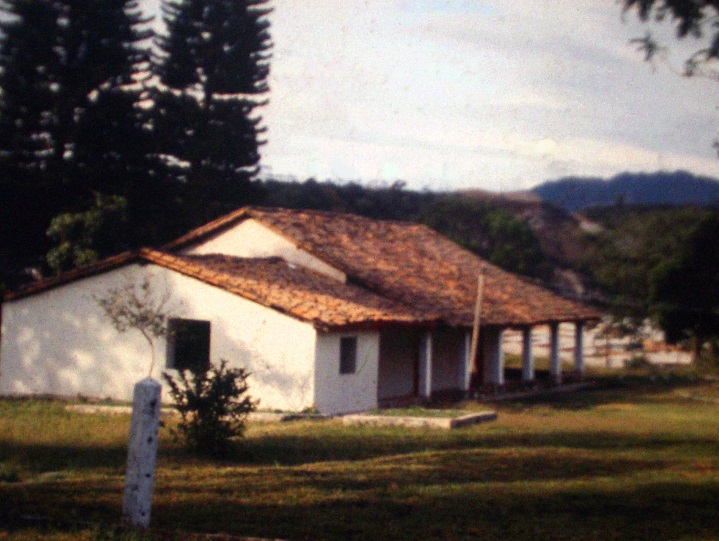
Difficulties with the Mexican government prompted the school’s relocation to Honduras in 1978. The primary challenge upon arrival was renovating the property. The carpentry workshop was converted to house offices, a library, teachers’ cubicles, a cafeteria, and a kitchen, while the adjacent building became dormitories for single students. Married students resided off-site.
1979
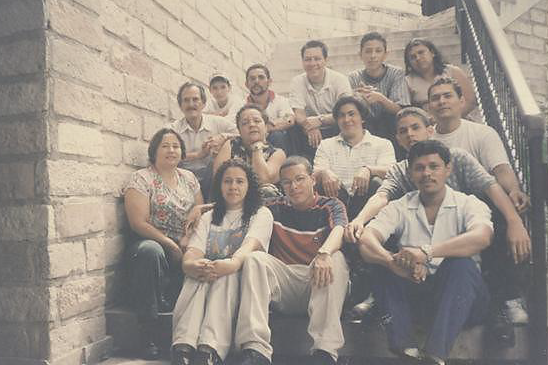
CELO Course
The Extension Course for Leaders and Workers (CELO) is a program that began under the direction of Arnoldo Mejía and was written by all the professors at the Baxter Institute at that time.
1981-1989
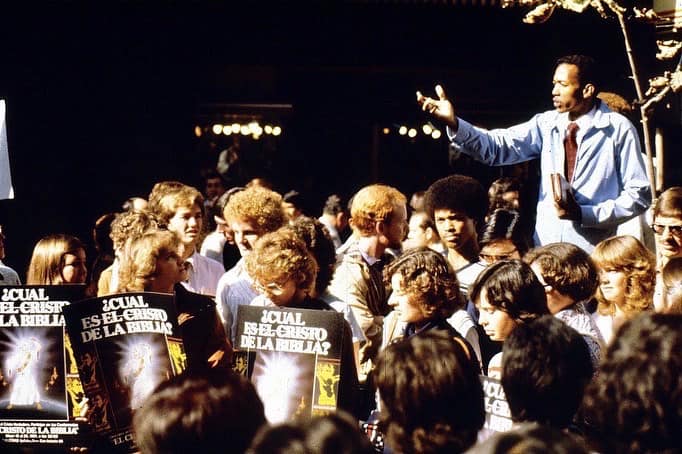
Global Campaigns
The Global Campaigns were established by Jim Frazier and Dan C. Coker, and were an essential part of the development of Baxter Institute students during the 1980s. These campaigns were carried out in the capitals or major cities of countries throughout the Americas. Abilene Christian University, Harding University, and Oklahoma Christian University also took part in this process.
1982
Ladies of Baxter
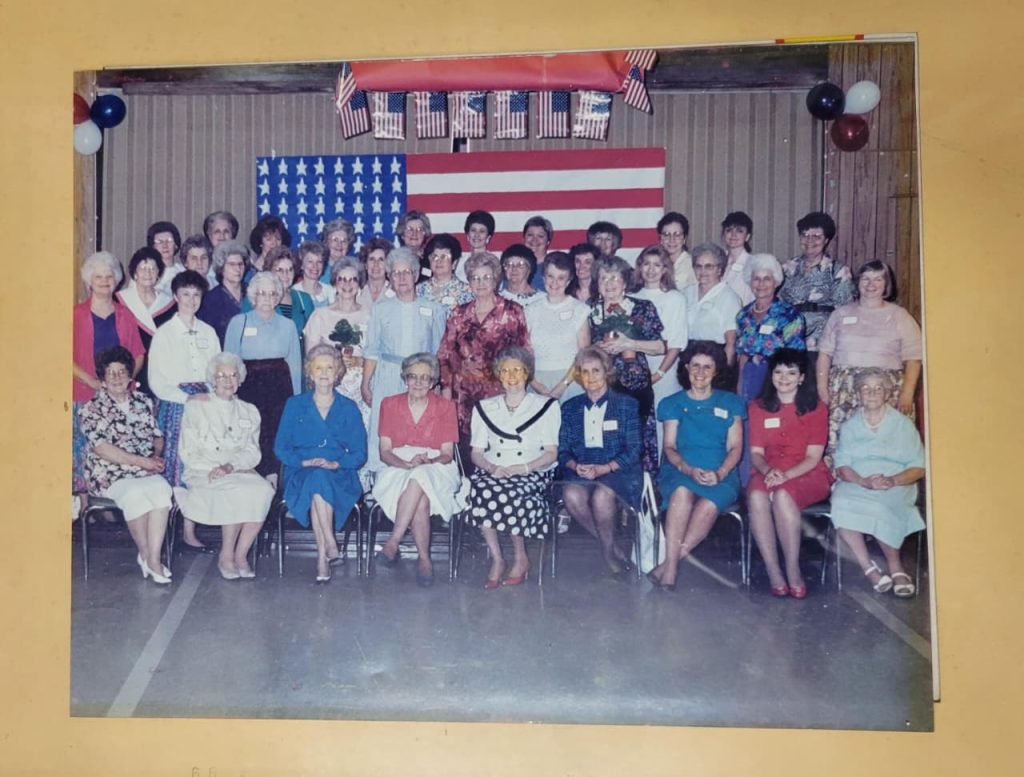
The Baxter Ladies, which is a volunteer association of women interested in supporting all the needs of the institute’s students. The idea was born on July 18, 1982, at Kate Howard’s home in Nashville, Tennessee.
1986 – 1987
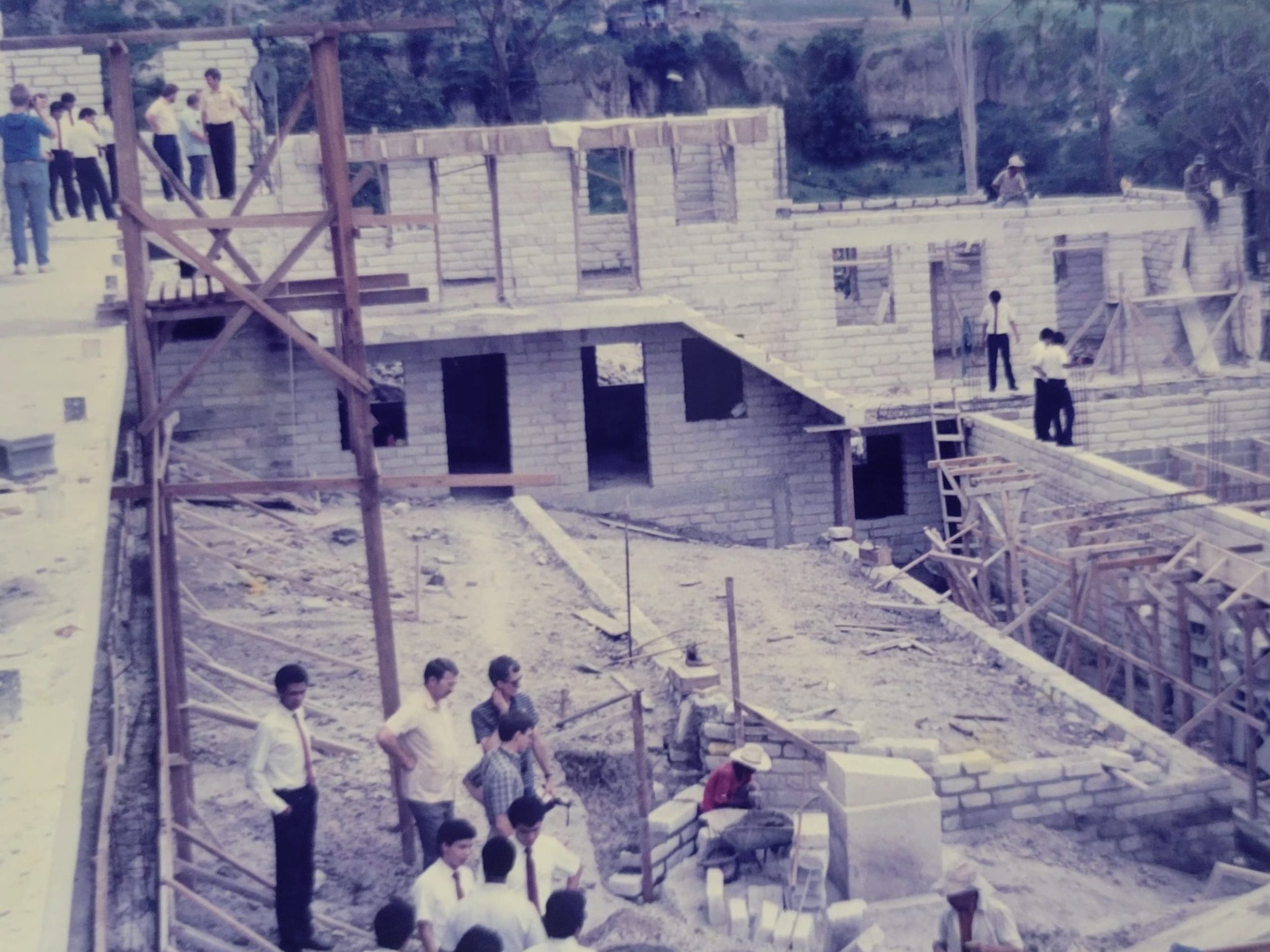
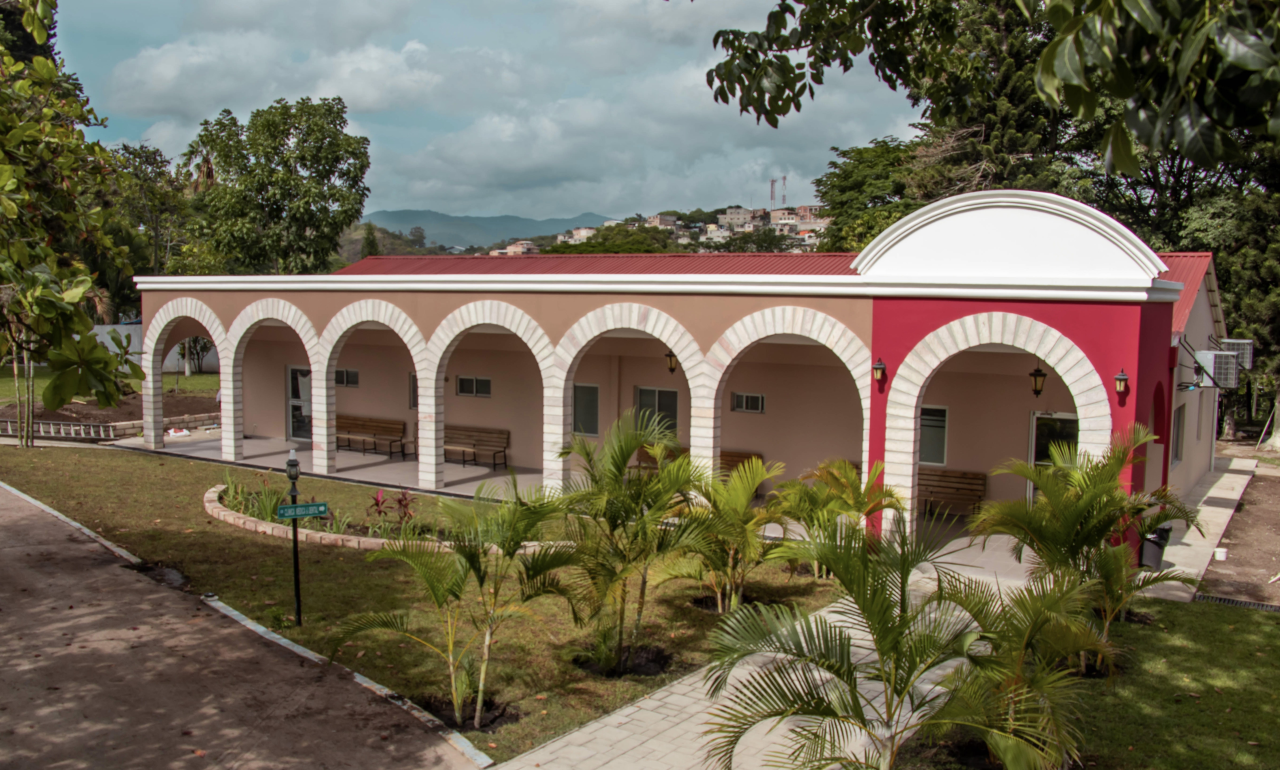
Single bedrooms.
The work was dedicated on October 16, 1987, in honor of Mr. Walter Fraizer, an American citizen who devoted much of his life to promoting the evangelism program of the Churches of Christ, with a particular emphasis on Latin America.
1991
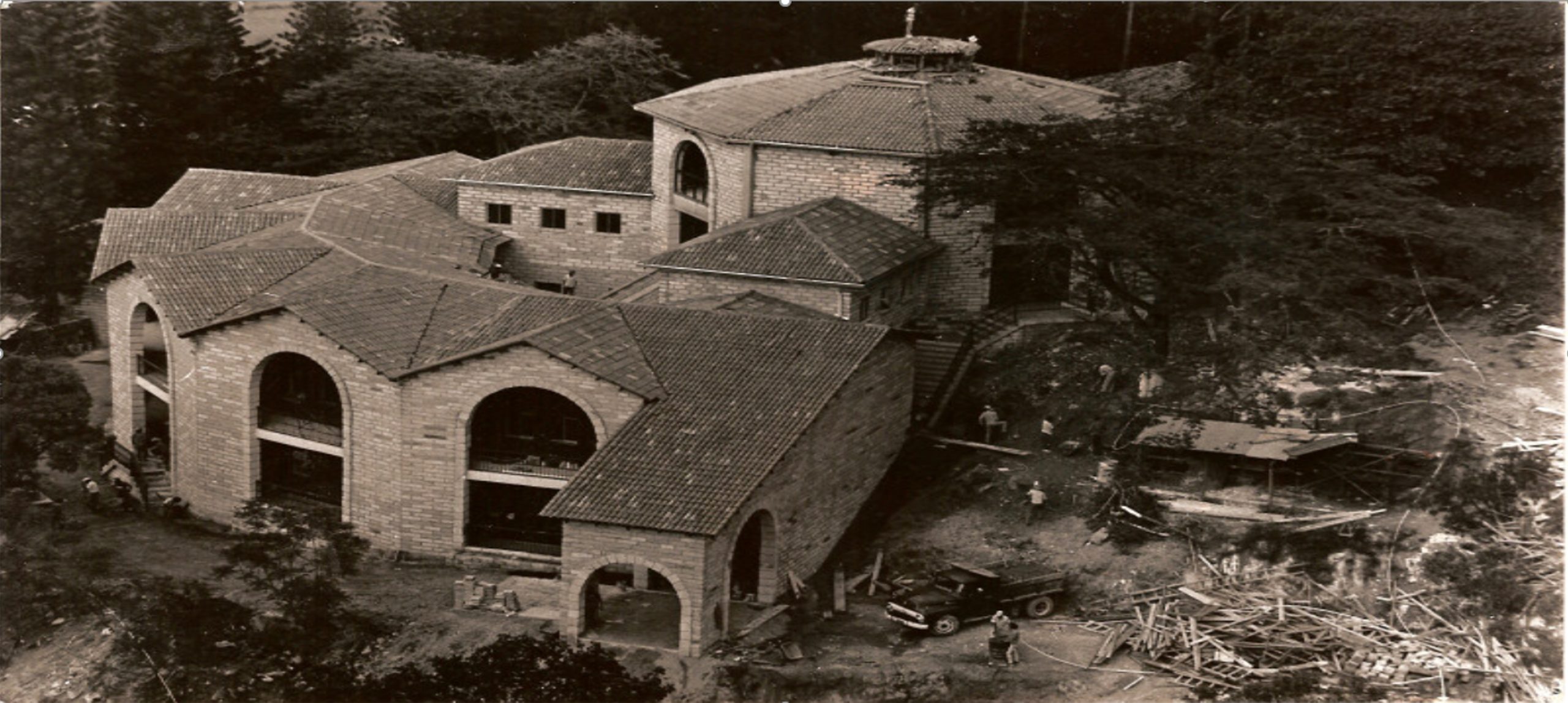
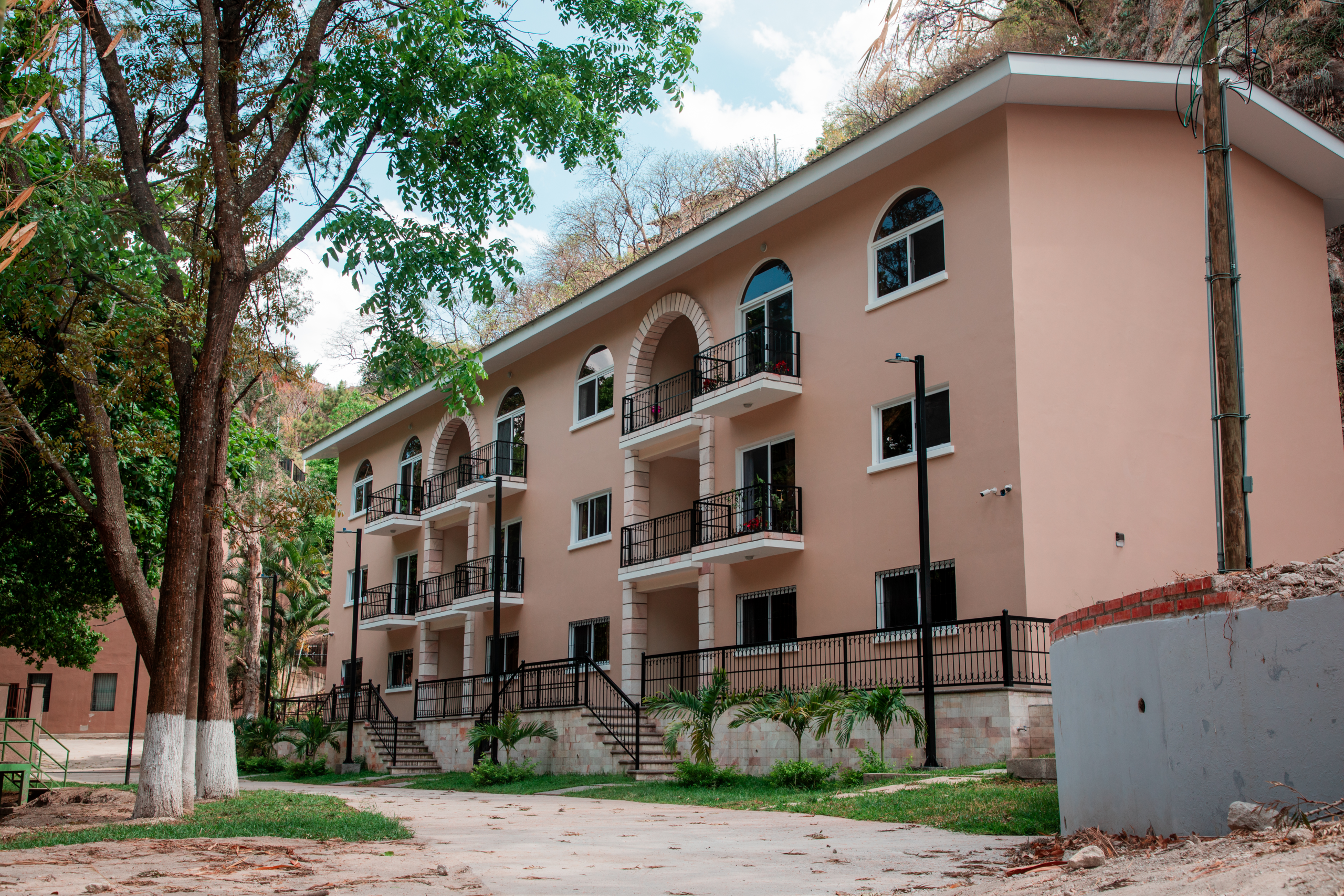
Edificio Administrativo Harris Lee Goodwin.
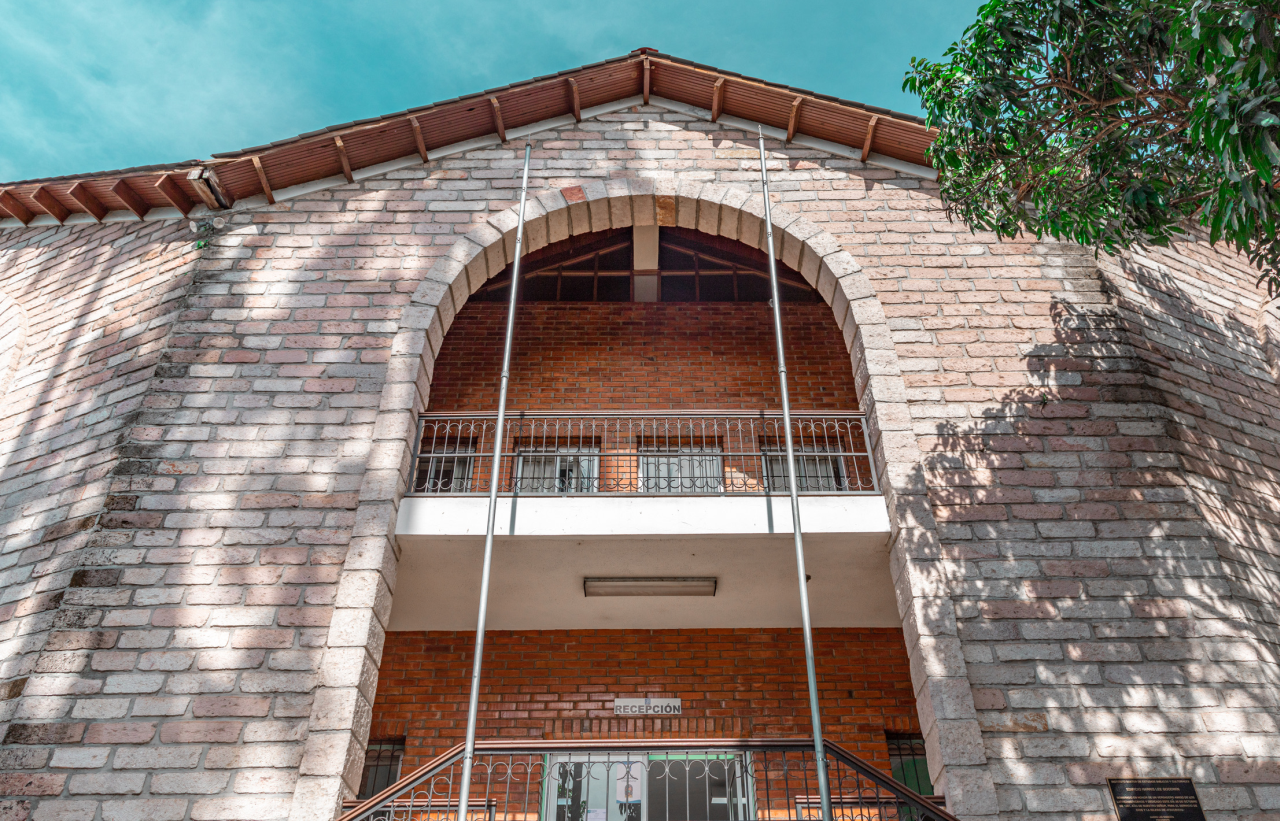
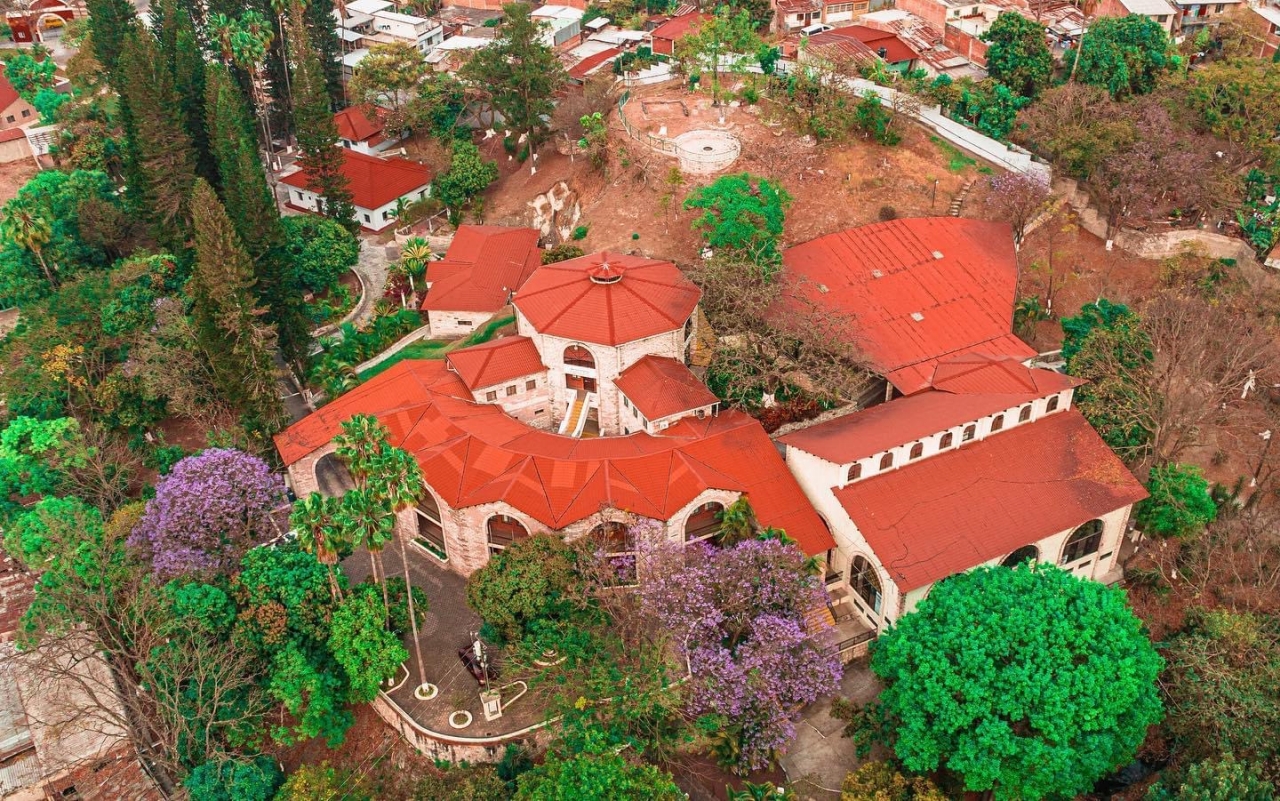
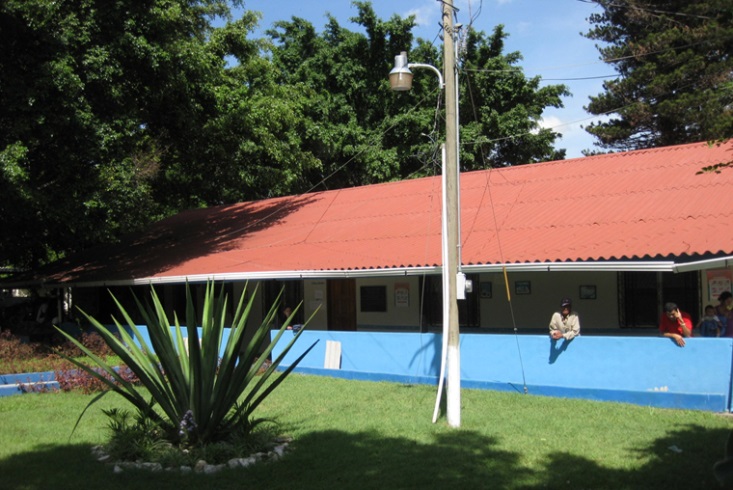
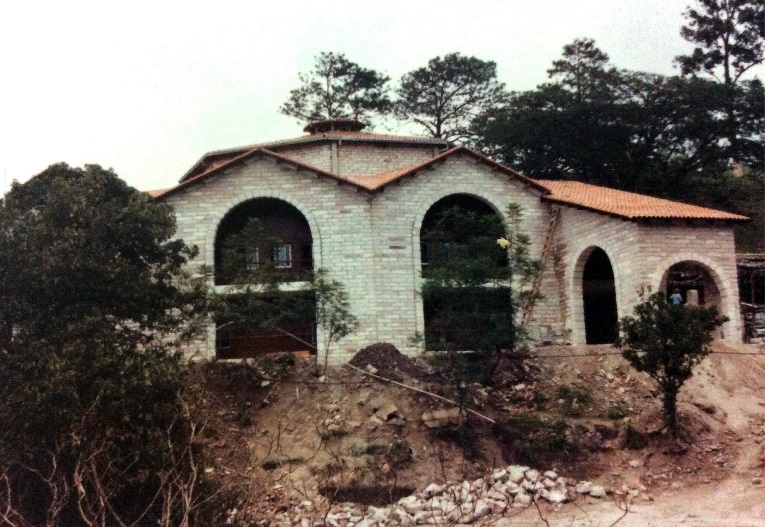
In the early ’90s, the institute was greatly enhanced with the construction of a men’s dorm and the administration building complex including classrooms, library, computer lab, and chapel. The construction of its cafeteria, amphitheater, and married student apartments followed. The Baxter Clinic was added with the purpose of serving and ministering to the impoverished of Tegucigalpa.
1996
Calvin Henry´s Precidency.
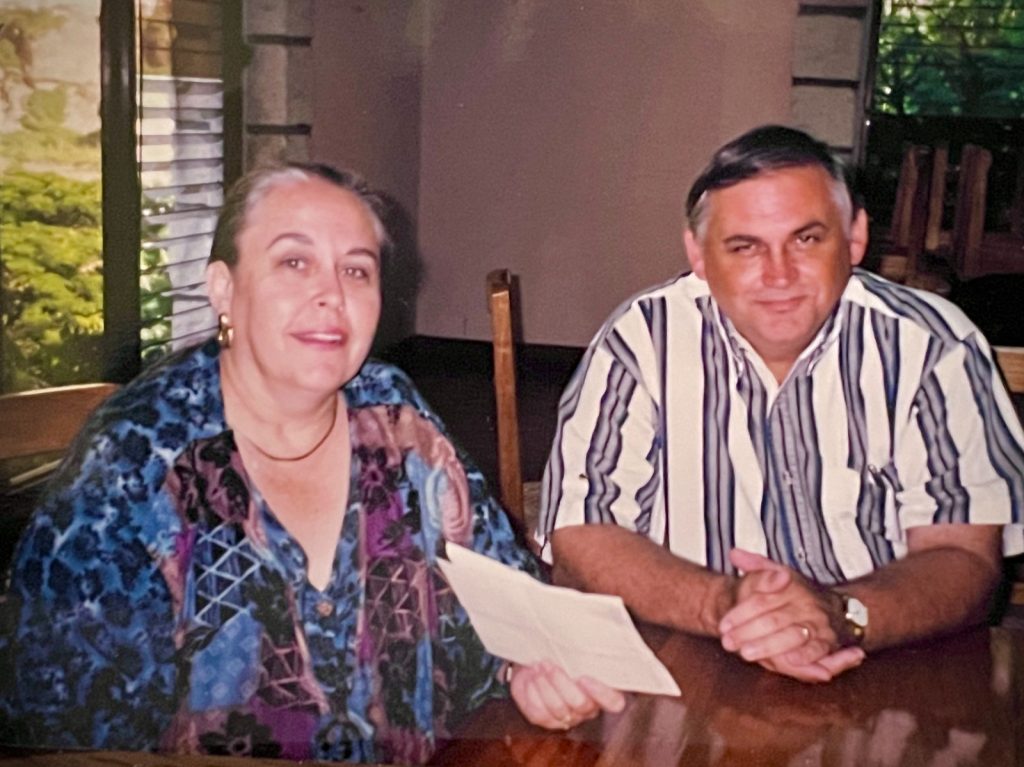
In October 1996, Brother Calvin Henry assumed the presidency of the Baxter Institute. This was the first time in history that a change of president had occurred in the leadership of the Baxter Institute. In a special ceremony held in the auditorium of the Baxter Institute on October 6 of that year, and with the presence of 250 guests, Brother Harris Goodwin, in a symbolic act, passed the scepter to Brother Calvin Henry, who, accepting the new position, promised to be faithful to the original principles of the Institute, faithful to the will of God, and faithful to the Church of Christ. Brother Calvin, along with his wife Linda Allen Henry, had extensive experience in the work of the Lord, having been missionaries in Costa Rica and Colombia, in addition to having worked in the United States.
2004
Steve White’s presidency.

In July 2004, Dr. Steve Dale White assumed the presidency of the Amicus Association. Dr. White, with more than 15 years of experience at the Institute, including 7 as a member of the Board of Directors, held a doctorate in Public Accounting and an extensive background in higher education. In addition, he had almost forty years of work experience in Latin America. The faculty, staff, and students warmly welcomed Dr. White and his wife, Jeanne.
2009
Howard Norton‘s presidency.
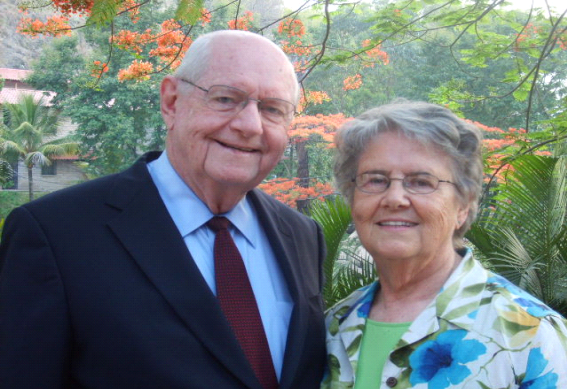
On July 1, 2009, Dr. Howard Norton assumed the presidency of the Baxter Institute, accompanied by his wife Jane Norton. He was the fourth president of the institution. He had many years of experience as a missionary in Brazil, preacher, and educator, having served as a Bible professor and assistant dean of the Bible department at Harding University.
2013
Steve Teel’s presidency.
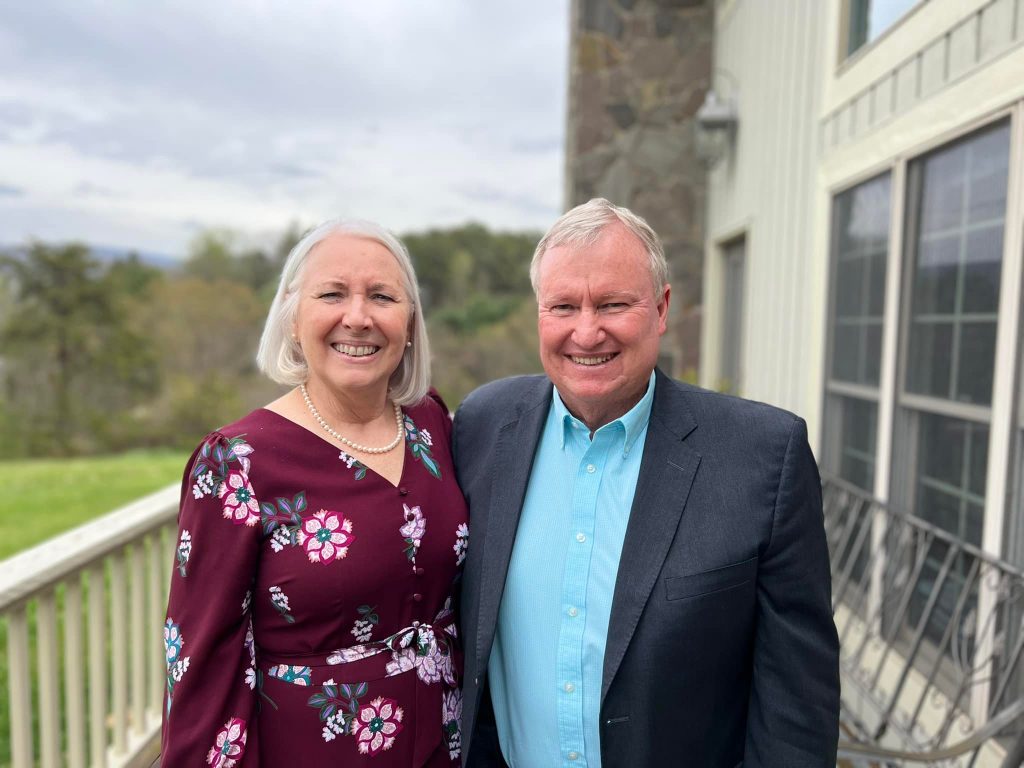
Dr. Stephen Teel took the helm at Baxter on January 1, 2013. He is the fifth president of the Baxter Institute. Steve attended Freed-Hardeman (’70-’73) and Harding (’74) as an undergraduate. He holds two master’s degrees from Harding School of Theology (’75-’77). Steve completed his doctorate there in 2010. He has ministered for more than 19 years in three congregations in Florida, Louisiana, and North Carolina, and his foreign mission work lasted 15 years in Buenos Aires, Argentina (1980-95).
2026
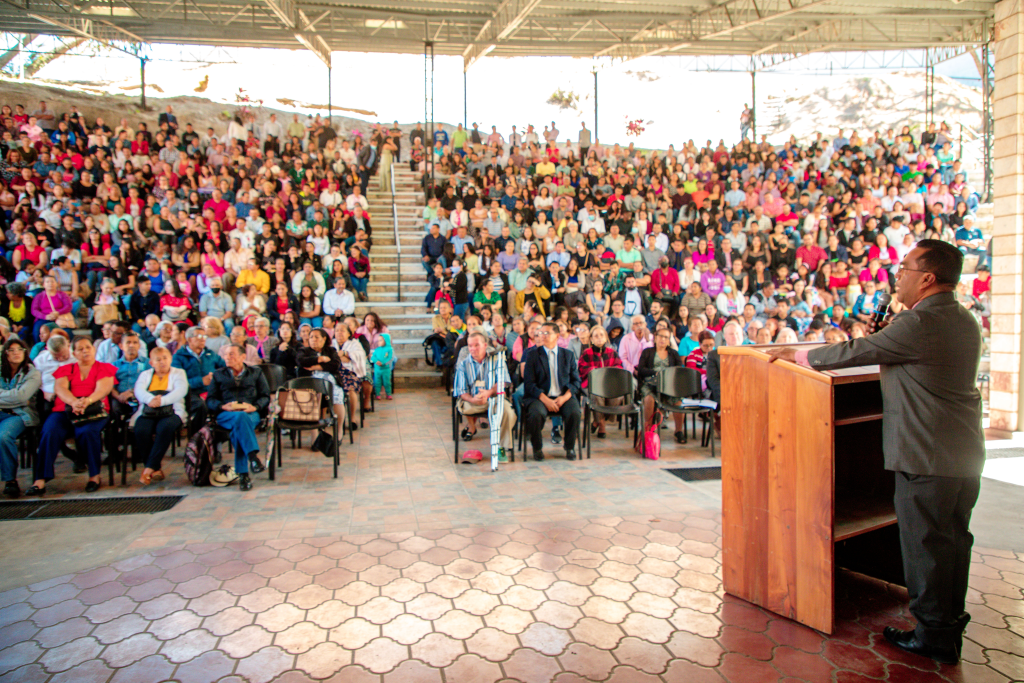
62th Aniversary
Baxter Institute has celebrated its 61th anniversary, and the churches of Christ in Latin America have expanded in that time period. Baxter graduates have established many of those congregations, started two-year preacher schools, staffed Christian orphanages, spearheaded radio broadcasting, and initiated numerous publications.
Gallery
Campus Today